Executive coordinator, professor and researcher at Fucape Business School, Maranhão campus. Master's and doctorate in Accounting and Business Administration from Fucape, with a specialization in Strategic People Management from Faculdade Atenas Maranhense (FAMA) and a degree in Business Administration from Universidade Estadual do Maranhão (UEMA). He served as coordinator and professor of the Business Administration program at Instituto Maranhense de Ensino e Cultura (IMEC) and at Faculdade do Estado do Maranhão (FACEM), and as facilities manager at Oi/SA, responsible for the states of Maranhão, Piauí and Ceará. He is a former Army officer.
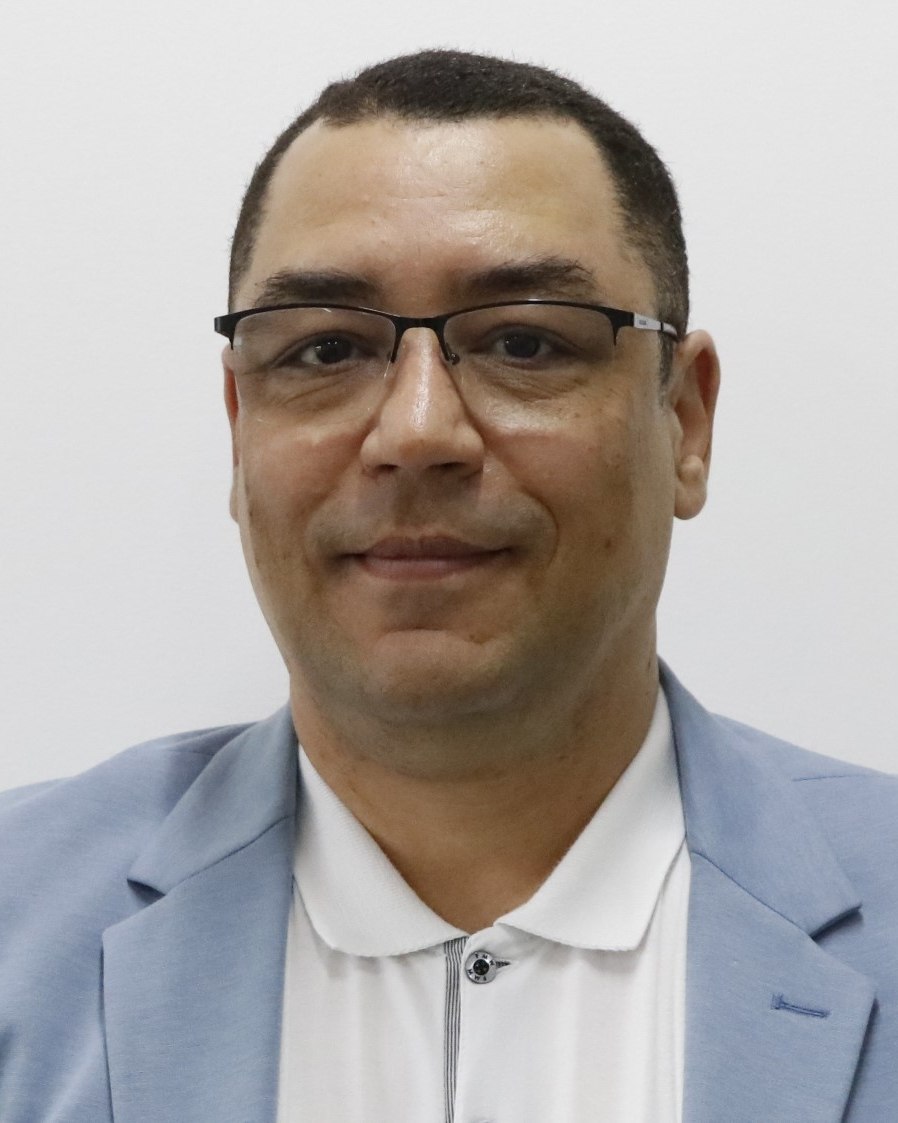
William Donizete Carvalho
Doctoral Candidate in Accounting and Business Administration
Dual degree — Doctorate in Management (Universidade da Beira Interior, Portugal)

- Strategic Business Management
- Corporate Governance
- Organizational Transformation
- Certified Board Member
C-level executive with 25+ years in strategic management and corporate governance across the industrial, infrastructure, and construction sectors. As a COO in the United States and a business leader in Brazil, I have led complex projects, restructurings, and turnarounds, including a tenfold EBITDA increase in three years. An expert in corporate governance, risk management, and highly demanding regulatory negotiations, I have led multidisciplinary teams, turning strategic vision into tangible results. Certified to serve on boards, it is this solid executive experience that drives my academic research, in search of structured answers to the real challenges I face at decision-making tables.
Monte Mor, São Paulo — Brazil · Covilhã, Portugal (from June 2027)
About
I am a doctoral candidate in the Professional Doctorate in Accounting and Business Administration at Fucape Business School, holding a dual degree in the Doctorate in Management from Universidade da Beira Interior (UBI), in Portugal. I came to research after more than two decades in C-level positions: I am CEO of Brizztech Climatizadores and served as Chief Operating Officer in the United States.
I am completing a professional master's degree in Corporate Governance at FMU, with a dissertation on information asymmetry between the CEO and the board and its impact on the quality of strategic decisions, supervised by Prof. Dr. Leonardo Fabris Lugoboni. My background also includes an Executive MBA in Industrial Management from FGV, an MBA in Compliance and Risk Management, and certification as an Advisory Board Member (ConCertif®) from CELINT.
The doctoral thesis topic is still being defined, within the Strategy and Organization research line.
The doctoral coursework is confirmed for the 2026–2028 period, combining courses in strategy, corporate finance, quantitative methods and research methodology at Fucape with advanced management units at UBI. The move to Portugal is planned for June 2027, roughly two months before UBI's first semester begins.
My thesis follows the three-article format, combining technological and scientific output, with additional international publication requirements arising from the dual degree.
Publications
Scientific and technical output
- 2027In preparationBook
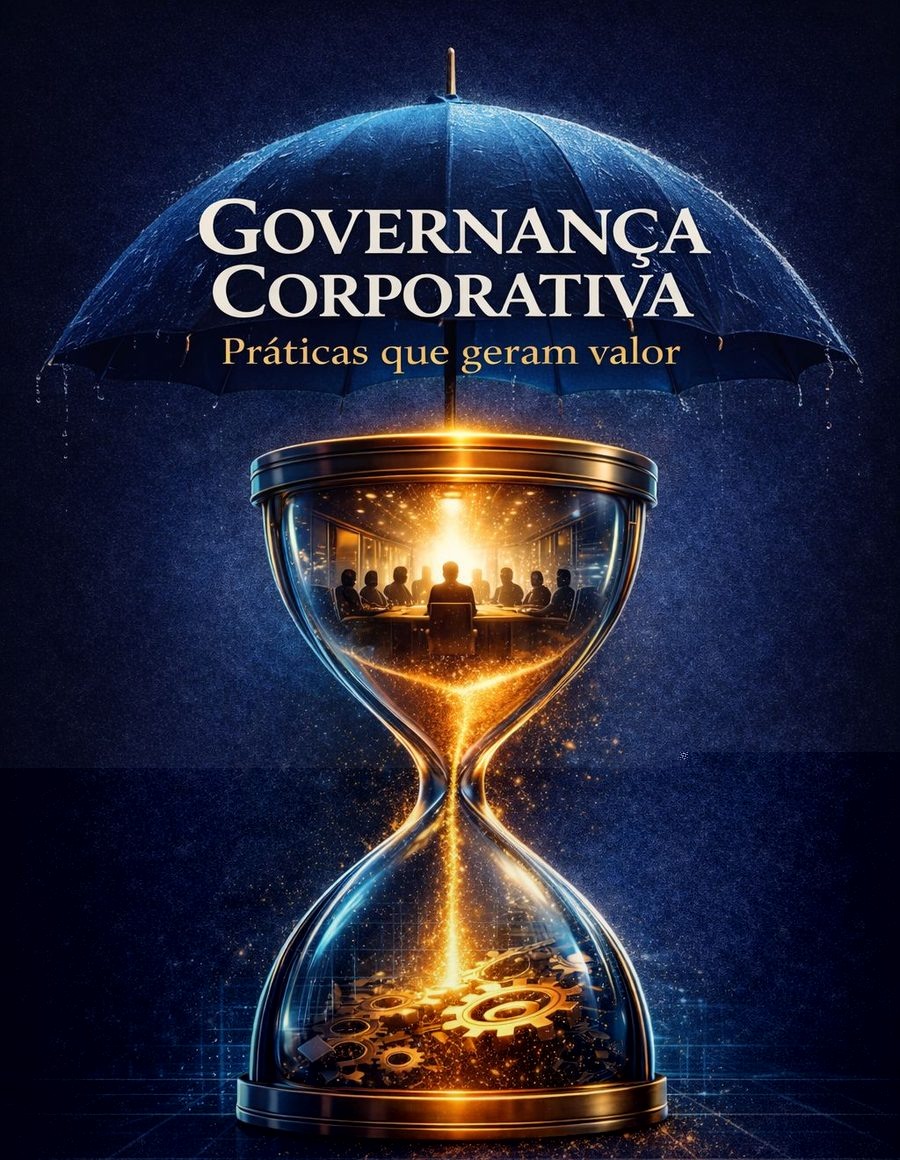
Governança Corporativa: práticas que geram valor
Lugoboni, L. F.; Mello, R. V.; Andrade, D.; Carvalho, W. D.
GEN Atlas — under contract, in production · release expected February 2027
- 2026AcceptedConference Proceedings
Assimetria de informação nas decisões de conselho: uma revisão sistemática da literatura
Carvalho, W. D.; Lugoboni, L. F.; Nascimento, J. O.
EnANPAD 2026 — CON division, Governance, Auditing and Internal Control · UNIFOR, Fortaleza, Brazil, September 23–25, 2026 · oral presentation and publication in the proceedings
Acceptance letterAbstract
our translation; the original has no version in this language
This study analyzes how information asymmetry shapes the relationships between CEOs and advisory boards and its implications for decision-making in corporate governance. Drawing on a systematic literature review grounded in the PRISMA protocol, it examines evidence from research published in high-impact journals, focusing on the informational and relational mechanisms that structure these interactions. The results indicate that information asymmetry is not limited to a governance failure but constitutes a multidimensional phenomenon that simultaneously enables and compromises decision quality. Vertical asymmetry stems from CEO control over the informational flow, whereas horizontal asymmetry emerges from social ties that create informal information channels. These mechanisms can broaden access to knowledge but may also reduce monitoring independence. The study argues that the effectiveness of advisory boards depends on the balance between access to information and critical autonomy. As a contribution, it integrates the vertical and horizontal dimensions of information asymmetry and broadens the understanding of informational dynamics within advisory structures.
Keywords. Corporate governance; Information asymmetry; Advisory boards
- 2026In preparationArticle
Information Asymmetry in Board Decision-Making: A Systematic Literature Review
Carvalho, W. D.; Lugoboni, L. F.; Nascimento, J. O.; Zittei, M. V. M.
Systematic review following the PRISMA protocol · venue to be defined
Abstract
This study examines how information asymmetry (ASIN) shapes the relationships between CEOs and advisory boards and its implications for decision-making in corporate governance. Drawing on a systematic literature review grounded in the PRISMA protocol, evidence from research published in high-impact journals is examined, with a focus on the informational and relational mechanisms that structure these interactions. The results indicate that ASIN is not merely a governance failure but a multidimensional phenomenon that simultaneously enables and compromises decision quality. Vertical ASIN stems from CEO control over the informational flow, whereas horizontal ASIN emerges from social ties that create informal information channels. These mechanisms can broaden access to knowledge but may also reduce monitoring independence. The study argues that the effectiveness of advisory boards depends on the balance between access to information and critical autonomy. As a contribution, it integrates the vertical and horizontal dimensions of ASIN, drawing on a sample of 14 studies, and broadens the understanding of informational dynamics within advisory structures.
Keywords. Corporate governance; Information asymmetry; Advisory boards; CEO; Board of Directors
- 2026Under reviewArticle
Códigos de conduta das empresas da B3: influências do setor de atuação e da estrutura de governança corporativa
Lugoboni, L. F.; Pacheco, M. A.; Koga, A. S.; Carvalho, W. D.; Nascimento, J. O.
Revista Ibero-Americana de Estratégia (RIAE) — submitted
Abstract
Purpose: to analyze how business sector and corporate governance level influence the structure and content of the codes of conduct of companies listed on B3. Design/methodology/approach: descriptive, documentary research based on a sample of 232 codes of conduct from companies in the New Market, Level 2, and Level 1 listing segments, analyzed through categorical content analysis (Bardin) and Pearson's chi-square test, covering 16 ethical themes identified in the literature. Originality/Relevance: despite the growing use of codes of conduct as corporate governance instruments, the literature still lacks studies relating their structure and content to companies' business sector and governance level, a gap this study addresses in light of institutional isomorphism theory. Findings: a common core of themes widely disseminated among companies was identified — conflict of interest, moral and sexual harassment, discrimination, and the environment. Themes such as privileged information, gifts and favoritism, nepotism, whistleblowing channels, and psychotropic substance abuse showed statistically significant differences according to business sector and corporate governance level. Contributions: the findings corroborate the institutional isomorphism perspective and offer input for boards of directors and compliance areas in drafting codes more aligned with good practices and sector-specific particularities.
Keywords. Code of conduct; Business sector; Corporate governance; Board of Directors; Institutional isomorphism
- 2026In preparationArticle
Quando as metas corroem o que pretendem promover: uma revisão sistemática das consequências disfuncionais das metas corporativas
Carvalho, W. D.; Santos, C. G. L. B.; Lugoboni, L. F.; Gama, A. T. C. F.
Systematic review following PRISMA 2020 · submission expected August 2026
Abstract
our translation; the original has no version in this language
Objective: to systematize and explain the dysfunctional consequences associated with corporate performance targets, the behavioral and managerial mechanisms that sustain them, and the conditions under which they intensify. Methods: a systematic review conducted in accordance with PRISMA 2020, searching the EBSCO Business Source Complete database in May 2026 and restricted to peer-reviewed articles published between 2021 and 2026 in SJR Q1 or Q2 journals; of the 173 records identified, 17 formed the corpus, analyzed through a qualitative synthesis structured by the typology of Franco-Santos and Otley (2018). Results: the five dysfunctional manifestations do not operate discretely, since 15 of the 17 studies cut across more than one category, and the transformation of social relationships, the most frequent one, works as the transmission channel for the others. The mechanisms identified include moral disengagement, emotional exhaustion, and fear of failure, modulated by design parameters, governance structures, and individual characteristics. Conclusions: deviance emerges as a rational response to the design of the measurement system rather than as an episodic moral failure, which shifts managerial intervention from controlling the individual to designing the targets.
Keywords. management by objectives; personnel management; ethics; work environment; leadership · JEL: M12, M52, D23
- 2026GrantedPatent
Unidade rotativa independente de edifício ou congênere
Maistro, E. B.; Carvalho, W. D.; Teixeira, D. A.
Letters Patent BR 102025004727-6 · INPI, Brazilian Patent and Trademark Office · filed 12 Mar 2025, granted 14 Apr 2026 · assignee: TOTB Participações Ltda · classification E04B 1/346
- 2025PublishedTechnical Report
Gerenciando riscos corporativos: uma análise da taxonomia de Kaplan e Mikes
Carvalho, W. D.; Andrade, D.; Lugoboni, L. F.
Revista Internacional de Debates da Administração e Públicas (RIDAP), vol. 10, no. 1, pp. 1–6 · e-ISSN 2595-7260
Download PDFAbstract
Corporate risk management has evolved from an isolated function into an integrated and strategic process central to contemporary governance. This article proposes an analytical framework to classify and manage risks based on the taxonomy of Kaplan and Mikes, distinguishing preventable, strategic, and external risks. It argues that each category requires distinct approaches, tools, and control systems, avoiding one size fits all solutions. The study discusses the role of a Risk Management Office as a mechanism for organizational coordination, as well as the contribution of the Chief Risk Officer in integrating ERM into decision making. The findings indicate that a differentiated approach to risk management improves resource allocation, strengthens the ability to anticipate and respond to threats, and contributes to greater resilience and higher quality corporate governance.
Keywords. Corporate Risk Management; Risk Taxonomy; Corporate Governance; Chief Risk Officer; Risk Management Office
- 2025PublishedChapter
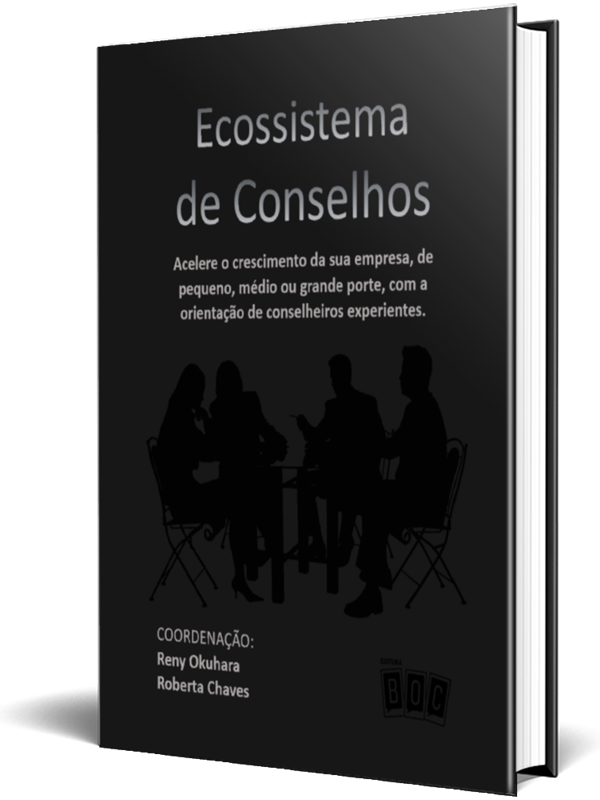
Os desafios multifacetados do líder trifuncional no conselho consultivo: uma jornada ética e de valores fundamentada na governança corporativa
Carvalho, W. D.
Chapter 33. In: OKUHARA, R. (coord.). Ecossistema de Conselhos. Editora BOC, 2025 · ISBN 978-65-85593-70-0 · edited volume with 33 contributing authors
Abstract
our translation; the original has no version in this language
This chapter analyzes the ethical and governance challenges of the tri-functional leader, a professional who simultaneously holds the positions of minority shareholder, CEO, and chair of the advisory board. It is argued that this overlap blurs the boundaries between ownership, strategic execution, and the conduct of the collegiate body's work, increasing the risk of conflicts of interest. The dilemmas specific to each role are examined: as shareholder, the ownership stake shapes the perception of risk; as CEO, pressure for results shifts the focus to execution and accountability; as chair, what is expected is neutrality in conducting proceedings, faithful minutes, custody of confidential information, and the facilitation of dialogue between management and board members. Privileged access to information is identified as the most sensitive point: the leader must mitigate asymmetries and adverse selection by providing complete, timely, and clear data, above all to independent board members, whose presence is treated as a pillar that strengthens governance rather than an obstacle. Transparency, fairness, accountability, and corporate responsibility are discussed as standards of conduct, together with practical mitigation mechanisms: explicit delimitation of roles, declaration of conflicts, abstention from deliberations, and direct channels with board members. It is concluded that advanced training in governance supplies the analytical lenses, but personal integrity guides decisions under pressure; success lies not in the absence of challenges but in the capacity to face them without compromising the company's continuity.
Academic output is also recorded on the Lattes CV.
Supervision and co-authorship
Who supervises the thesis and who I publish with
Co-supervisor · Fucape
Leonardo Fabris Lugoboni
Lattes CV- Book — GEN Atlas
- EnANPAD 2026
- SLR — information asymmetry
- RIAE
- SLR — corporate targets
- RIDAP
Doctorate in Business Administration from FEA-USP, master's in Business Administration from USCS and a degree in Business Administration from Fundação Santo André, with postdoctoral work in Business Administration at Mackenzie. Professor in the Master's in Accounting at Centro Universitário FECAP, the Master's in Corporate Governance at Unifesp/FMU and the Master's in Public Administration (Profiap) at Unifesp. Editor-in-chief of Revista Liceu On-Line and associate editor of Revista Brasileira de Gestão de Negócios. Speaker and consultant in strategic planning, performance measurement, corporate governance and ESG.
Degree in Business Administration from Escola Superior de Administração de Negócios (1991) and in Accounting from Faculdade de Ciências Econômicas de São Paulo (1993), with a specialization in Public Accounting (2000) and a master's in Accounting (2010) from FECAP, and a doctorate in Business Administration from Universidade Municipal de São Caetano do Sul (2025). Judicial analyst and accountant at the Regional Electoral Court of São Paulo, graduate program coordinator and professor at FECAP. His research covers public accounting, sustainability, infrastructure assets, the Sustainable Development Goals, disclosure, public governance, and electoral and party accounting.
A professional with more than 25 years of experience in information technology — systems, development, infrastructure, projects, security, operations, service desk, governance, data center and telecom — at domestic and multinational companies in the IT, services, metallurgy and telecommunications sectors. Experience in AMS management, mission-critical environments and reporting to C-level, with projects involving ERPs such as SAP, Protheus, Starsoft and NetSuite, as well as CRM and tax solutions. He leads multidisciplinary teams using both agile and waterfall methodologies.
Accounting auditor based in São Paulo. Independent auditor at EY since 2022, with a bachelor's degree in Accounting from Universidade Federal de São Paulo (Unifesp).
Degree in Electrical Engineering from Universidade de Pernambuco (2006). Clinical Engineering Manager at Real e Benemérita Associação Portuguesa de Beneficência, with experience in Biomedical Engineering and a focus on Clinical Engineering.
Degree in Business Administration from Universidade Christus (2018), with experience in the field of Business Administration.
Professional master's candidate in Business Administration at Fundação Escola de Comércio Álvares Penteado (FECAP), with an Executive MBA in Finance from the same institution and a degree in International Business Management from Universidade São Marcos.
Degree in Accounting from Centro Universitário FIEO (2000), master's in Accounting from FECAP (2008) and doctorate in Accounting and Business Administration from Universidade Regional de Blumenau (2016). Professor and coordinator of the Master's in Corporate Governance and the Master's in Information Society Law at FMU. Member of the scientific committee of CRC-SP, Basis evaluator for INEP-MEC and specialist evaluator for the São Paulo State Board of Education. His research covers corporate governance, public governance, digital government and sustainability.
Professional master's in Corporate Governance from FMU (2024), with a dissertation on corporate governance mechanisms for startups from the investor's perspective, supervised by Prof. Dr. Leonardo Fabris Lugoboni. MBA in Strategic and Economic Business Management from Fundação Getulio Vargas and a bachelor's degree in Business Administration with a focus on IT from Faculdade Impacta de Tecnologia.
Events
Forums and academic conferences with certified attendance
- ANPAD Annual Meeting
EnANPAD 2026
“oral presentation of the paper accepted in the CON division â Governance, Auditing and Internal Control”
ANPAD · UNIFOR, Fortaleza/CE · Fortaleza, Brazil · September 23-25, 2026
Upcoming - 6th edition
Annual Governance Forum
“O Conselho Transformador”
CELINT · São Paulo, Brazil · November 1, 2025
7 hoursView certificate - 1st edition
Symposium on ESG, Risk and New Business (ESG3) and 5th CGPOP — Unifesp Congress on Management and Public Policy
Unifesp — Universidade Federal de São Paulo · Osasco, Brazil · in person · October 21–23, 2025
7 hoursView certificate - 5th edition
Annual Governance Forum
“Governança e a Família Empresária”
CELINT · São Paulo, Brazil · October 26, 2024
8 hoursView certificate - 6th edition
Academic Conference on Corporate Governance (JAG)
Centro Universitário FMU · Online · October 22, 2024
6 hoursView certificate
For the purposes of the Acompanhamento de Mercado, Desafios de Mercado and Seminários de Pesquisa Aplicada requirements, Fucape counts only events held from the start of classes, in June 2026. The events above precede the doctorate and belong to prior training.
CV
Academic background and executive career
Download CV as PDF
Full version, with the projects and results of each role.
Education
2026 — 2028
Professional Doctorate in Accounting and Business Administration
Fucape Business School — Vitória/ES
13 courses · 54 credits · 486h. Thesis in the three-article format.
2027 — 2028
Doctorate in Management (dual degree)
Universidade da Beira Interior — Covilhã, Portugal
1st year at UBI: 8 curricular units · 60 ECTS
2024 — 2026
Professional Master's in Corporate Governance
Centro Universitário FMU | FIAM-FAAM — São Paulo/SP
Dissertation: Assimetria de informação entre CEO e conselho — uma análise integrada do fenômeno e seu impacto na qualidade das decisões estratégicas. Supervisor: Prof. Dr. Leonardo Fabris Lugoboni.
2023 — 2024
Executive MBA in Industrial Management
Fundação Getulio Vargas (FGV)
432 hours
2023
MBA in Compliance and Risk Management
Anhanguera / UNOPAR
360 hours
2021 — 2023
Technologist in Industrial Production Management
Anhanguera / UNOPAR
2021 — 2022
Technologist in Public Management
UNOPAR
2007
Technical Diploma in Electrical Engineering
ETEC Paula Souza
Executive experience
2020 — present
CEO — Reporting to the Board
Brizztech Climatizadores — Monte Mor/SP
Corporate strategy, a full organizational restructuring and portfolio expansion in the B2B market. Grew EBITDA more than tenfold, turning the 2020 deficit into sustainable profitability from 2023 onward, and implemented a corporate governance model with internal controls and accountability.
2017 — 2020
Chief Operating Officer (COO)
Be Home International — Orlando, Florida (USA)
Engineering and civil construction projects in Florida and North Carolina, focused on regulatory compliance, environmental permitting and operational efficiency under the Florida Building Code and the North Carolina State Building Code. Deliverables included a daycare center in Lincolnton and an industrial warehouse in Dallas, North Carolina, and the permitting of a logistics complex in Saint Cloud, Florida.
2011 — 2017
Executive Director
Projetex Engenharia — Salvador/BA
Full management of the company across technical, commercial, administrative and regulatory areas; technical officer of record before CREA on public and private contracts. Led the Via Expressa expressway in Salvador, including the relocation of critical telecommunications networks, the fiber-optic ring at Arena Fonte Nova, and the urban renewal of more than 180 streets in Salvador's listed historic center, spanning archaeology, paving and urban architecture.
2008 — 2011
Technical and Commercial Director
Eng&Tech Engenharia — Santa Bárbara d'Oeste/SP
Delivery of medium and large-scale projects for the industrial and telecommunications sectors as technical officer of record before CREA. Built more than 2,000 km of telecommunications network for NET Serviços and delivered electrical and instrumentation projects for Ford, Benteler, Iharabras, Romi and Dedini, including NR-10 compliance work and selectivity and short-circuit studies.
2005 — 2007
Senior Design Engineer
Instrumentec Montagens Industriais — Santa Bárbara d'Oeste/SP
Electrical and instrumentation design for industrial plants; ISO 9000 auditor and technical officer of record for NR-10 compliance.
Governance certification
Expert
Governance Expert, certified by CELINT
September 2025 · 113 hours of coursework · View certificate
The highest level of the board-member track at the Centro de Estudos em Liderança e Governança Integrais, reached after completing the certification's required and elective programs.
- ConCertif®Certificação de Conselheiros Consultivos40 hours · 2024 · View certificate
- AVANÇADACertificação Avançada para Conselheiros20 hours · Sep 2025 · View certificate
- PFCPrograma de Formação de Conselheiros10 hours · 2024 · View certificate
- FINFinanças Estratégicas para a Governança9 hours · View certificate
- ARTA Arte da Escuta e o Processo Decisório em Conselhos8 hours · 2024 · View certificate
- MGCMediação no âmbito da Governança para Conselheiros8 hours · View certificate
- FAMO Conselheiro e a Família Empresária — proteção e sucessão patrimonial5 hours · Dec 2024 · View certificate
- TCPNetworking para a Carreira Profissional5 hours · Apr 2025 · View certificate
Languages
Portuguese
Native
English
Reasonable comprehension, speaking, reading and writing